OPEN: MON - FRI 8AM - 5PM
Check our current lead time for Cut & Edge orders COLLECTIONS: 8AM - 4PM
A complete guide to melamine-faced chipboard.
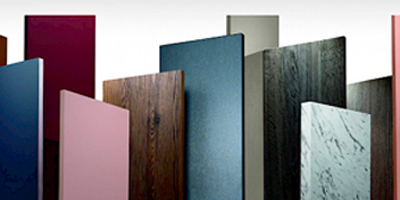
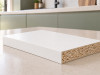
MFC stands for melamine-faced chipboard. It is an engineered wood panel with a chipboard core and a factory-finished decorative surface on both faces. The surface can reproduce plain colours, woodgrains, stone effects and other designs, with textures ranging from smooth matt finishes to deeply embossed wood effects.
Published: 16th September 2026
MFC explained.
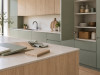
MFC is widely used for kitchen and wardrobe carcasses, shelving, fitted furniture, desks, retail displays and storage. Its main advantage is that the board arrives ready finished: it normally needs cutting, drilling and edging, but not painting or lacquering. This makes it a practical choice when you want a consistent decorative surface and an efficient manufacturing process. Explore Cworkshop’s MFC boards cut to size to compare current decors, textures and thicknesses.
This guide explains how MFC is made, how it differs from MDF and laminate, where it works best, and what to specify before ordering boards or cut-to-size panels.
The quick answer.
| Question | Short answer |
| What does MFC stand for? | Melamine-faced chipboard. |
| What is inside it? | A particleboard or chipboard core made from bonded wood particles. |
| What is on the surface? | Decorative paper impregnated with melamine resin and fused to the core. |
| Does it need painting? | Usually no. The decorative faces are factory finished. |
| Do cut edges need finishing? | Yes. Visible or exposed edges are normally covered with matching or contrasting edging. |
| Is MFC waterproof? | No. Some products may offer improved moisture resistance, but exposed cores and edges still need protection. |
| What is it commonly used for? | Cabinet carcasses, wardrobes, shelving, desks, fitted furniture and commercial interiors. |
Board construction.
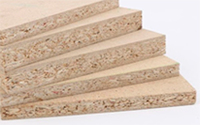
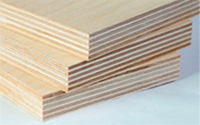
The core of MFC is chipboard, also called particleboard. Wood particles are combined with resin, formed into a mat and pressed into a rigid sheet. Decorative paper is then impregnated with melamine resin and bonded to the faces under heat and pressure. The pressing plate can also create a surface texture.
The result is a stable, consistent panel with a decorative face that is more durable and easier to clean than unfinished chipboard. Manufacturers offer coordinated ranges of boards and edging so that panels can be finished neatly after cutting. Not every MFC board is the same: core density, surface durability, texture, board thickness, moisture performance and decor availability vary by manufacturer and product range. Choose from the stated specification rather than from colour alone.
In this context, melamine is part of the resin system used to create the hard decorative surface. “Melamine board” is a common shorthand for MFC, although the precise core should always be checked. A melamine-faced panel can also be made with a different substrate, including MDF, so the product description matters.
Large collection of boards.
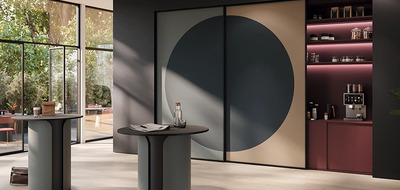
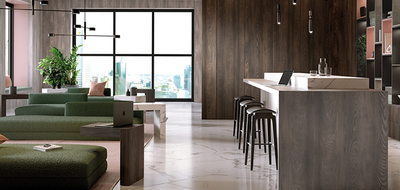
One reason designers and furniture makers use MFC is the breadth of ready-made finishes. Large decor ranges make it possible to specify understated cabinet interiors, realistic timber effects, bold colours or coordinated surfaces across a project.
| Finish family | Typical appearance | Useful considerations |
| Plain colours | White, neutral, muted or bold solid colours | Check undertone, sheen and how the colour changes under the room lighting. |
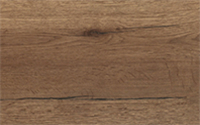
| Woodgrains | Printed timber pattern, often combined with an embossed texture | Plan grain direction across doors, shelves and adjacent panels. |
| Matt and supermatt | Low-reflection contemporary surface | Compare fingerprint visibility, cleaning guidance and scratch visibility. |
| Gloss | Reflective, light-enhancing finish | Consider handling marks, edge matching and reflections on large panels. |
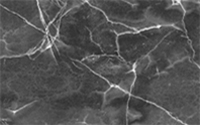
| Stone, concrete and metallic effects | Decorative surfaces for feature panels and commercial interiors | Order a physical sample because scale and texture are difficult to judge on screen. |
| Synchronised textures | Embossing aligned with the printed woodgrain or pattern | Useful when a more tactile, timber-like result is required. |
Cworkshop supplies decorative boards from established manufacturers, including EGGER, Kronospan, Cleaf, Saviola and Swiss Krono. Collections and availability change, so use current product information and order physical samples and swatches before confirming a colour, texture or decor code. If you are specifying EGGER boards, our guide to EGGER texture codes explains finishes such as ST9, Feelwood and SmoothTouch.
Where MFC works best.
MFC is a standard choice for cabinet sides, bases, tops, shelves and internal partitions. The factory-finished surface is easy to wipe clean and gives cabinet interiors a consistent appearance. MFC is often paired with painted MDF doors, although the right combination depends on the required finish, budget and environment. Our MDF and melamine cabinet comparison explains where each material works best. Moisture around sinks, appliances and floors must still be managed through correct detailing and protected edges.
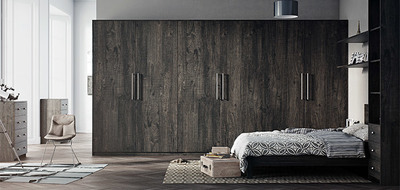
Wardrobe interiors, dividers, shelves, drawer units and fitted storage can all be made from MFC. Woodgrain and neutral decors can remove the need for a separate interior finish. Accurate cutting and a clear grain schedule are important when multiple visible panels need to align.
MFC works well for bookcases, cupboards and general storage, but shelf thickness and support spacing must suit the load and span. Long, heavily loaded shelves may need thicker material, a front lipping or intermediate support. Do not treat a generic thickness recommendation as structural advice.
The consistent surface, repeatable colour and broad range of wood effects make MFC useful for desks, workstations, cabinets and office storage. Edges and corners should be specified for the expected level of wear.
MFC allows repeatable components to be produced efficiently for counters, display units, wall storage and back-of-house furniture. Brand colours and tactile finishes can be coordinated across a scheme, subject to current decor availability.
Material comparison.
| Material | Main strengths | Main limitations | Good starting uses |
| MFC | Ready-finished, consistent, broad decor choice and efficient for repeat components | Edges need finishing; exposed core is vulnerable to moisture; not ideal for deep routed details | Carcasses, wardrobes, shelving, desks and fitted storage |
| MDF | Smooth, uniform and well suited to painting and routed profiles | Usually needs finishing; heavy; standard MDF is unsuitable for wet exposure | Painted doors, wall panels, routed fronts and sprayed furniture |
| Plywood | Good strength-to-weight ratio, useful fixing performance and attractive layered edge | Premium grades cost more; face and core quality vary | Furniture, cabinets, shelves, jigs and exposed-edge designs |
| High-pressure laminate on a substrate | Wide performance and finish options; replaceable decorative sheet can be specified separately | More manufacturing stages; performance depends on laminate, adhesive and substrate | Worktops, high-wear surfaces and bespoke laminated panels |
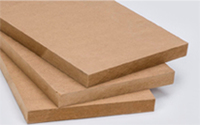
MFC and MDF are both engineered wood panels, but they suit different finishes and manufacturing methods. MFC has a chipboard core and a ready-finished decorative face. MDF has a fine, uniform fibre structure and is commonly painted, lacquered, veneered or faced after machining. Read our guide to working with MDF for more detail on its uses, grades and limitations.
Choose MFC when you want a ready-finished decor, efficient production and a durable wipe-clean face.
Choose MDF when the design needs a sprayed colour, deep routing, moulded profiles or especially smooth painted edges.
For kitchen furniture, MFC is often used for carcasses while MDF is used for painted doors. This is a common combination, not a fixed rule.
Compare the complete product specification, not just the core material. Surface, moisture grade, thickness and edge treatment all affect performance.
“Melamine” often describes the resin-finished decorative surface or is used informally for the complete board. MFC specifically identifies chipboard as the core. High-pressure laminate is a separate decorative sheet bonded to a substrate in an additional process. It can offer different performance characteristics, but the result depends on the chosen laminate, core and adhesive system.
Benefits and limitations.
Specifying MFC.
Screen colours are not reliable enough for final specification. Order a current physical sample and view it in the project lighting. For woodgrains, check the pattern scale, texture, grain direction and how adjacent panels will relate.
Common MFC ranges include several nominal thicknesses, but availability varies by brand and decor. Thin boards may suit backs or light-duty elements, while 18 mm is a common starting point for cabinet components. Thicker boards may be selected for substantial shelves, work surfaces or a particular visual detail.
Thickness must be checked against shelf span and load, hardware requirements, groove sizes, edge treatment and the manufacturer’s tolerances. Use product-specific design advice for load-critical or safety-critical components.
Standard MFC is intended for dry interior use unless its product specification says otherwise. Moisture-resistant variants may be appropriate for humid interiors, but they are not automatically waterproof. Protect every exposed edge and penetration, prevent standing water and follow the board manufacturer’s conditions of use.
The grain direction printed on a wood-effect surface is visually important even though the chipboard core itself has no timber grain. Mark the direction for every part on the cutting list. Decide whether adjacent doors and panels should run vertically, horizontally or in a continuous sequence before optimisation begins.
Edging protects the exposed chipboard core and completes the appearance of a cut MFC panel. ABS and other thermoplastic edging materials are widely used because they are durable and available in matching or complementary decors. Cworkshop’s panel-edgebanding service uses PUR glue technology to bond the edging to the panel. The right specification depends on the application, board thickness, edge profile and desired appearance.
| Edging decision | What to specify |
| Which edges | Identify every edge that will remain exposed after assembly. |
| Colour and decor | Choose an exact match, a complementary solid colour or an intentional contrast. |
| Thickness | Select a thickness appropriate to the level of wear and the required appearance. |
| Grain or pattern direction | Confirm orientation where the edging itself has a directional design. |
| Finished size | Clarify whether dimensions refer to the board before edging or the final edged component. |
| Corner detail | Confirm square, softened or radiused corners where this affects the finished part. |
Workshop preparation.
MFC can be cut using suitable panel-saw or CNC equipment. Its decorative surface can chip when the tooling is blunt or the board is poorly supported, so blade condition and controlled machining are important. A professional board cutting service is useful when components need accurate, repeatable dimensions and clean edges.
✅ Provide finished dimensions, quantities, board decor and thickness.
✅ Mark grain direction for every directional decor.
✅ State which edges require edging and whether dimensions are finished sizes.
✅ Include hole centres, diameters, grooves, rebates and shaped work in a clear drawing where machining is required.
✅ Allow for tool radius in internal CNC corners and confirm what file formats the workshop accepts.
✅ Use dust extraction and appropriate respiratory protection when cutting or sanding. Follow tool and material safety information.
Use fixings designed for particleboard and match them to the board thickness and load. Drill accurate pilot holes where the fixing system requires them, maintain suitable edge distances and avoid over-tightening. Hinges, runners and connectors should be installed to the hardware manufacturer’s instructions. Test unusual details on an offcut before committing to a production run.
Everyday maintenance.
For routine cleaning, use a soft cloth and a mild cleaning solution compatible with the surface manufacturer’s guidance. Avoid abrasive pads, aggressive solvents and prolonged standing water. Wipe spills promptly, especially near cut-outs, joints and edges. Heat, steam and appliance clearances should be considered during the furniture design rather than left to the surface finish alone.
Material selection.
| Choose MFC when | Consider another material when |
| You want a ready-finished cabinet or furniture surface. | You need deep routed profiles or a fully sprayed finish. |
| A coordinated decor range and matching edging matter. | The panel will face conditions outside the product's stated moisture or exterior-use limits. |
| You need repeatable components for cabinets, wardrobes or storage. | The design depends on an exposed layered edge or a particular natural veneer. |
| The design can be planned around square-edged panels and applied edging. | The component is structural or safety-critical and needs a separately engineered specification. |
The best board depends on the component rather than the project as a whole. A cabinet may use MFC for its carcass, MDF for painted doors and plywood for components where weight, fixing performance or an exposed layered edge matters. See our plywood versus MDF guide for a more detailed comparison of those two unfinished materials.
Start your project.
Start with the application, decor and environment. Then confirm the board thickness, grain direction, finished dimensions, edging and machining. A complete specification reduces errors and makes it easier to produce coordinated components across a kitchen, wardrobe or fitted-furniture project.
Browse the current Cworkshop MFC collection, request physical samples and submit a cutting list for panels cut to size. For projects with holes, grooves, cut-outs or shaped parts, include a clear drawing and ask about CNC machining.