OPEN: MON - FRI 8AM - 5PM
Check our current lead time for Cut & Edge orders COLLECTIONS: 8AM - 4PM
Yes, you can usually replace your worktops without replacing the kitchen units, provided the cabinets are sound and can support the new surface. EGGER worktops offer wood and stone effects that can give an existing kitchen a fresh look.
Published: 10th November 2026
This approach works well when the layout still suits you, but the worktops look worn or no longer match your taste. Keeping usable cabinets avoids buying and fitting replacements.
The main checks are the condition of the units and how the new worktop will fit around your sink, hob and wall finishes.
Explore Cworkshop's EGGER kitchen worktops to compare finishes for your kitchen refresh.
Your units need to provide a firm, level base for the replacement worktop. Open the cupboards and inspect the cabinet bodies, particularly beneath the sink and beside the dishwasher.
Look for swollen panels, crumbling edges, loose connections and damaged supports across the tops of the units. A leak may have affected the cupboard underneath even if most of the kitchen looks sound.
Ask the installer to check that:
Fix leaks and repair or replace damaged parts before fitting. The units should be checked again after the old worktop comes off, when hidden areas become visible.
Worn door fronts do not necessarily mean the cabinet bodies need replacing. If you want a wider update, Cworkshop's replacement kitchen doors can be considered alongside new worktops.
If many cabinets are damaged or you want to change the layout, plan that work first. New worktops should fit the kitchen you intend to keep.
EGGER's laminate worktops let you change the colour, pattern and feel of the surface while keeping the cabinets beneath. The range includes woodgrain, marble, granite and other material effects.
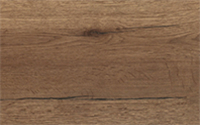
A wood-effect finish can bring warmer tones to plain kitchen doors. For example, Natural Halifax Oak combines an oak pattern with a surface texture that follows the grain.
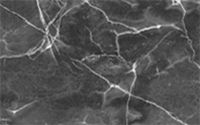
For a stone-effect finish, Grey Cascia Granite offers a textured surface with a slim, square front edge.
Compare physical samples beside the doors, flooring and tiles you are keeping. Check them in daylight and under the kitchen lights, as an online image cannot show the exact colour or feel.
EGGER laminate worktops arrive with their decorative surface finished, so the face does not need oiling or varnishing. Newly cut edges and openings still need protection during fitting.
For everyday cleaning, use a soft cloth and a suitable non-abrasive cleaner, then wipe away residue and dry the surface. Use chopping boards and heat-resistant mats, and wipe up spills promptly, especially beside joints.
Worktop thickness affects both the appearance and how the new surface meets the rest of your kitchen. The edge profile describes the shape along the front.
Cworkshop's EGGER range includes these options:
| EGGER worktop type | Thickness | Front edge |
|---|---|---|
| PerfectSense Ambiance | 20 mm | Square |
| Square edge worktops | 25 mm | Square |
| Feelwood worktops | 38 mm | Square |
| Postformed worktops | 38 mm | Gently rounded |
A postformed edge has laminate wrapped around the front curve. A square edge has a straight front finished with matching edging. The available thicknesses and profiles depend on the finish you choose.
Matching the old thickness can make it easier to retain existing tiles and splashbacks. Measure the actual worktop rather than estimating its thickness from the front.
For example, replacing a 38 mm worktop with a 25 mm one lowers the top by 13 mm if the cabinets stay at the same height. That may leave a gap below tiles or affect the fit beside a freestanding cooker.
A thicker replacement can create the opposite problem. Agree any changes to wall finishes and appliance positions before ordering.
You can often keep the existing sink and hob if they are in good condition and compatible with the replacement worktop. Confirm that before the new openings are cut.
Check the sink and hob model numbers, fitting instructions, clips and seals. The opening size, worktop thickness and space underneath must suit each item.
If your sink is fixed beneath the old worktop, discuss it with the fabricator first. An undermount sink needs a compatible installation method; it cannot simply be transferred from a stone worktop into an unprotected chipboard opening.
Measure each worktop run, its depth and the projection beyond the cabinet fronts. Record corners, visible ends, wall irregularities and the position of each appliance.
Use the old worktop as a reference, but check it against the units and the new product. Its openings may be oversized, and its joints may not be in the best position for the replacement.
If you want a larger sink or a different hob, check the cabinet space below as well as the opening above. A new appliance may clash with a drawer, support rail or cupboard side.
Keeping the units reduces the amount of removal work, but the old worktops still need to be released carefully. A kitchen fitter can assess the fixings, joints and access before work begins.
Arrange for the sink, hob and connected services to be dealt with before lifting the worktop. Use a Gas Safe registered engineer for gas hob work and an electrician for hardwired electrical connections.
Screws, joint connectors, sealant and any adhesive need to be released. Pulling against a fixing that is still attached can damage the cabinet beneath.
Tiles or splashbacks fitted tightly against the old surface may also need attention. Keeping them intact is something to assess, rather than assume.
The installer should position the new pieces without permanently fixing them first. This checks the wall fit, front projection, joints and appliance openings.
Any uneven cabinets or missing supports should be corrected at this stage. A new worktop should sit properly on its supports without being forced down.
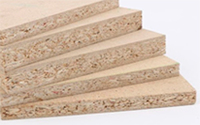
The chipboard core needs protection wherever cutting exposes it. Finish visible ends, seal openings and joints, and fit the steam protection specified above appliances such as dishwashers.
Follow EGGER's worktop processing instructions for the selected product. The factory-finished surface does not make unsealed cuts waterproof.
Allow the specified sealants and adhesives to cure before normal use, and have the plumbing and appliances reconnected and checked.
Keeping usable cabinets removes the cost of replacing those units, but the worktop price is only part of the job.
Ask for a quote covering:
A small kitchen with several corners and appliance openings can involve more fitting work than a longer, straight run. Compare quotes for the same layout and finish so you can see what is included.
Agree the work sequence before removing the old surface. Check material availability and book the installer and relevant trades so the kitchen is not left without a usable sink or hob unnecessarily.
Prepare a drawing showing each worktop piece, its length and depth, the front edge and any exposed ends. Add the EGGER colour and texture code, thickness and edge profile.
Mark the joints and sink or hob positions, and note which way the pattern should run. Have your installer confirm the measurements before the cutting list is finalised.
Cworkshop can cut the selected worktops to your dimensions. Confirm which cuts and edge treatments will be prepared in advance, and which wall adjustments, openings or joints your installer will complete on site.
We supply EGGER worktops in a choice of wood and stone effects, with square edge and postformed options. This gives you different ways to update the surface around the doors and flooring you already have.
Our cutting service helps prepare worktops to your specified dimensions. Send us the product details and layout so we can confirm the preparation needed for your order.
Samples are available to help you compare finishes before choosing. Checking the colour and texture beside your existing kitchen makes the decision easier.
Replacing the worktops can refresh a kitchen whose units and layout still work well. EGGER's choice of finishes lets you change the look, while careful checks on thickness, supports and appliance fit help the replacement go smoothly.
Once your installer has checked the existing units, contact Cworkshop about replacement EGGER worktops to discuss the finish and cutting requirements for your kitchen.