OPEN: MON - FRI 8AM - 5PM
Check our current lead time for Cut & Edge orders COLLECTIONS: 8AM - 4PM
Fundermax compact laminate is usually the better choice for panels exposed to frequent splashes or heavy use. Moisture-resistant MFC suits protected cupboards and shelving in humid rooms, provided its cut edges are properly finished.
Published: 6th November 2026
The two boards can have matching finishes, but their cores behave differently. Choosing between them means looking at where each panel sits, how it will be cleaned and which fittings it needs.
You can also use both materials within one project. A storage cupboard away from a basin does not necessarily need the same construction as a shower partition.
For an overview of the range and its uses, read Cworkshop’s guide to the Fundermax Washroom Collection.
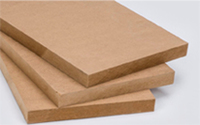
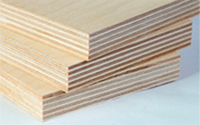
Fundermax compact laminate is a solid laminate panel, while moisture-resistant MFC has a chipboard core beneath its decorative faces. That difference affects water resistance, cut edges and how the panels are fixed together.
Max Compact Interior is made from layers of resin-treated paper pressed into a dense panel. It has decorative faces on both sides and does not rely on a separate chipboard core.
It is designed for demanding interior uses, including cubicles, lockers and partitions. Its solid construction makes it a useful choice where panels face moisture and frequent knocks.
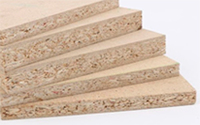
MFC means melamine-faced chipboard. The decorative melamine faces cover a core made from wood particles.
Fundermax’s UK washroom brochure specifies a moisture-resistant P3 core for its Star Favorit MFC. P3 identifies a chipboard grade for humid indoor conditions; it does not make the board waterproof.
Star Favorit is also made in other grades. When ordering, specify the moisture-resistant product rather than relying on the brand or colour name alone.
| Detail | Max Compact Interior | Star Favorit moisture-resistant MFC |
|---|---|---|
| Core | Solid compact laminate | Moisture-resistant chipboard |
| Main uses | Demanding cubicles, partitions, lockers and suitably supported furniture | Protected cabinet bodies, cupboards and shelving |
| Regular wetting | Can suit wet areas with the specified installation | Avoid repeated soaking and standing water |
| Cut edges | Solid core can remain visible after smoothing | Exposed chipboard needs edging or another specified protection |
| Fittings | Must be suited to compact laminate and its thickness | Must be suited to chipboard and its thickness |
| Main preparation work | Cutting, drilling and smoothing exposed edges | Cutting, drilling and protecting exposed core |
Humid air, occasional splashes and repeated soaking place different demands on a panel. Decide which conditions each component will face, including during cleaning.
Max Compact Interior is worth considering for shower partitions, changing-room lockers and cubicle panels exposed to frequent splashes or knocks. Check that the panel and the complete fixing system are specified for the intended wet-area use.
Its moisture resistance does not remove the need for drainage, ventilation and properly detailed joints. Water should not collect against fittings or become trapped behind panels.
Compact laminate can also be useful in busy, relatively dry washrooms. A door used throughout the day may need greater resistance to impact even when shower water is not a concern.
MR MFC can be a practical choice for cabinet bodies, cupboard doors and shelving kept away from direct wetting. This includes protected storage in a ventilated washroom.
The finished faces help with everyday cleaning, but exposed chipboard remains vulnerable. Pay attention to bottom edges near wet floors, pipe openings and areas beneath basins where a leak could go unnoticed.
A moisture-resistant core gives you more tolerance of humid conditions than a standard dry-use chipboard. It is not a reason to leave cut edges unfinished.
For example, a washroom design could use compact laminate for cubicle panels and MR MFC for a separate storage cupboard away from splashes.
A vanity unit needs the same separate decisions. Protected cabinet sides may suit MR MFC, while the basin top needs a material and construction designed for water around its openings and joints.
Choose each part for its job rather than carrying one board specification across the whole room.
Changing board type can change the dimensions and hardware needed for the project. Do not transfer a cutting list or drilling pattern directly from one material to the other.
The Fundermax washroom brochure lists 12 mm compact laminate and 19 mm MFC formats. These are collection formats, not a rule that either thickness suits every component.
A thinner cabinet side changes the space inside the unit and the lengths of parts fitted between the sides. On doors, the thickness affects which hinges and locks can be fitted.
A hinge designed for a thicker chipboard door may not suit a thinner compact laminate door. Check the permitted panel material, thickness and drilling depth before ordering the hardware.
Compact laminate is dense, so a thinner panel is not automatically a lighter one. Use the weight of the finished component when checking hinges, brackets and handling requirements.
Shelves, benches and vanity tops need supports suited to their length and intended load. Neither board should be selected by thickness alone.
Compact laminate also changes size with temperature and humidity. Follow Fundermax’s guidance on movement gaps and fixing details so the panel can move without being forced against its fixings.
The finished faces may look similar, but the cut edges need different treatment. Plan that work before ordering, including any cuts that will be made during installation.
Compact laminate normally uses its exposed solid core as the finished edge. It does not usually need edging tape, but the edge must be smooth and comfortable to touch.
Cworkshop’s beam-sawn compact laminate edges can require sanding on site. Confirm the supplied finish, particularly for visible doors, seating and exposed corners.
The dense material also needs suitable cutting and drilling tools. Agree any shaped parts or holes in advance rather than assuming they will be straightforward to make during fitting.
With MR MFC, protect the chipboard exposed by cutting and drilling. That includes concealed edges if moisture could reach them, not just the edges visible when a door is closed.
A panel edgebanding service can finish the specified straight edges. Pipe holes, notches and other openings still need their own protection.
If an edged panel is trimmed on site, the newly exposed core needs finishing again. Edging the original panel does not protect a cut made afterwards.
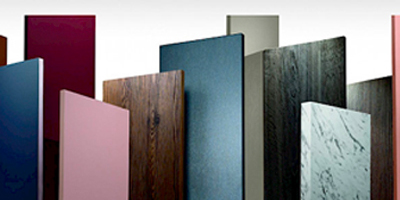
The Fundermax Washroom Collection offers coordinated finishes across compact laminate and moisture-resistant MFC. This makes it possible to combine materials while keeping a consistent colour scheme.
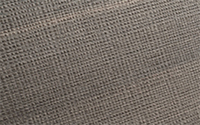
Check the exact decor code and surface finish for each component. The FH finish, short for Fine Hammer Embossed, describes the surface texture; it does not identify the core.
The edges will still affect the appearance. The black core of the compact panels in this collection can remain visible, while MFC is usually finished with a separate edging strip.
Compare physical samples together and show the grain direction on your drawings. This matters when wood-effect doors or panels sit beside one another.
MR MFC can be an economical choice for protected furniture. Compact laminate may justify its cost where water exposure and frequent use place greater demands on the panels.
Compare quotations for completed components, including cutting, drilling, edge finishing and the required fittings. Compact laminate needs appropriate machining, while MR MFC needs its exposed core protected.
Using compact laminate throughout a room may be unnecessary when some cupboards stay dry and face little wear. Equally, choosing MR MFC solely to reduce the material price can be a poor saving where repeated wetting is expected.
Fundermax’s basic cleaning guidance uses water and a soft cloth or sponge, with non-abrasive cleaners as directed. Check stronger cleaners against the instructions for the particular surface.
Wiping furniture is different from hosing down a room. The panel, edging, joints and supporting materials all need to tolerate the planned cleaning method.
Inspect damaged edging and leaking joints promptly, especially around MR MFC. Even a well-finished panel needs attention if water finds a route into its core.
Prepare a cutting list that identifies the material for each part. If the project uses both compact laminate and MR MFC, make the distinction clear even where the colours match.
Include:
Choose the fittings before confirming drilling, and state whether the dimensions include finished edging.
Agree what will remain for the installer, including site trimming, smoothing compact edges and protecting any new openings. Check current availability for the specified decor, material and thickness before finalising the order.
We supply Fundermax compact laminate and moisture-resistant MFC, with cutting to size for the components in your design.
Our CNC machining service can prepare shaped parts and drilling. Send the material specification and drawings so the required operations can be checked before production.
For MFC, our edgebanding service uses PUR glue to bond the edging and help protect the cut edges. Compact laminate needs a different edge finish, so include that detail when preparing your order.
Choose compact laminate for panels that face frequent splashes or knocks. Choose moisture-resistant MFC for protected furniture with finished edges, where repeated wetting is avoided.
Using both can make sense. Plan the material, thickness and fittings for each component, then contact Cworkshop to discuss the cutting and preparation needed.