OPEN: MON - FRI 8AM - 5PM
Check our current lead time for Cut & Edge orders COLLECTIONS: 8AM - 4PM
Wall panelling is easy to keep clean. Most of the time, all you need is a soft cloth and a few minutes.
This guide covers MDF wall panelling, oak veneered panelling, and acoustic wall panels, so you can clean yours the right way, whatever type you have.
Dust first with a soft brush or microfibre cloth, working along the groove or grain. Then wipe with a barely damp microfibre cloth and mild soap if needed. Dry straight away. Avoid soaking the panel, harsh chemicals, and abrasive scourers.
You don't need specialist wood cleaner or expensive products for most jobs. Plain water and mild soap handle almost everything.
Step 1.
Use a dusting brush, working along the groove. Going against the grain pushes dust deeper inside.
Step 2.
Dampen a microfibre cloth with water or mild soap, wring it out well. Damp, not wet.
Step 3.
Dry the panel straight after wiping. Water left sitting in a groove is where problems start.
Everyday ingredients that work.
Most wall panelling marks can be treated using household products rather than specialist cleaners.
Cleaning by Panel Type
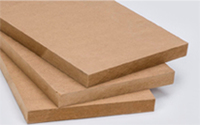
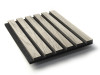
Slatted, ribbed, fluted, chamfered and V-grooved panels are all cut from the same MDF core, but groove depth changes how much upkeep they need. Deeper grooves collect more dust, so dust these more regularly.
If your panel is painted, stick to mild, non-abrasive cleaning products. A cleaner that's strong enough to cut through heavy grime can also dull a painted finish if it's used every week. Save stronger cleaning for occasional deep cleans, not routine wipe-downs.
General tips.
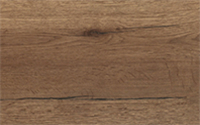
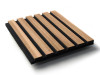
How you clean oak veneered panelling depends on its finish.
Bleaching raw veneer is possible, but it's not a straightforward DIY job on a panel that's already installed. It means stripping the existing finish completely, and getting an even tone across a full wall is hard without spray equipment and experience. Patchy results are the most common outcome. If you want a lighter look, it's usually more reliable to choose a lighter veneer to start with, or have the panel professionally refinished.
Moisture-resistant MDF is designed to cope with humid rooms, but "moisture-resistant" isn't the same as "waterproof." A few habits make a real difference over time: