OPEN: MON - FRI 8AM - 5PM
Check our current lead time for Cut & Edge orders COLLECTIONS: 8AM - 4PM
Place EGGER worktop samples flat in your kitchen and compare them beside the finishes you plan to keep. Check the colour and texture in daylight and under your usual lights before choosing.
Published: 10th November 2026
EGGER's wood, stone and marble effects vary in both appearance and feel. A physical sample helps you judge these details, while a larger image shows how the pattern spreads across a worktop.
The most useful comparison brings the sample into the room where it will be fitted, alongside your cabinet doors, flooring and wall finishes.
Explore Cworkshop's samples and swatches to start comparing finishes for your kitchen.
Choose two or three finishes that could work with your kitchen. This makes differences easier to judge than laying out a large collection of similar samples.
Cworkshop's EGGER worktop range includes woodgrain and stone-effect designs in different thicknesses and profiles. Check that each shortlisted finish is available in the worktop format you need.
EGGER uses a decor code for the colour and pattern, and a separate code for the surface texture. Both matter when ordering samples and worktops.
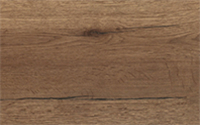
For example, the reference H1180 ST37 identifies Natural Halifax Oak with the ST37 Feelwood Rift texture.
| Detail | What it identifies |
|---|---|
| Decor code, such as H1180 | The colour and printed design |
| Texture code, such as ST37 | The surface feel and appearance |
| Thickness and edge profile | The worktop format you will order |
Confirm that the sample represents the worktop finish you are considering. A sample of a coordinating cabinet board should not automatically be treated as an exact worktop sample.
Cworkshop's guide to EGGER texture codes explains how to read these references.
Lay the worktop samples flat at roughly the height of the finished surface. Holding them upright against a wall changes how the light falls across them.
If you have loose samples, stand the cabinet door sample upright below or beside the worktop sample. Place the flooring sample on the floor and the tile or splashback sample behind the worktop.
For an existing kitchen, compare each option beside the actual doors and tiles you are keeping. Include a handle or tap finish if it has a strong colour, such as brass or black.
Look at the whole combination from the doorway as well as close up. A worktop that looks attractive on its own may feel too busy beside patterned flooring or heavily veined tiles.
Place each sample in the same spot before making notes. Then swap their positions if you compare them side by side, so one does not always sit in stronger light.
Keep the grain running in the direction planned for the finished worktop.
Check your shortlist at different times of day and under the lights you normally use. You need a finish that works during food preparation and evening use, as well as in bright daylight.
Place the samples near the window, then in a darker part of the worktop run. Look for differences that matter beside your doors: does a pale finish look creamy, grey or slightly pink?
After dark, switch on the ceiling lights and any lights beneath the wall cabinets. Check them separately and together if that reflects how you use the kitchen.
If you plan to replace the lighting, include the new light colour in your decisions before settling on the worktop.
View each sample from your normal standing position and from nearby seating. Notice whether reflections make the surface appear brighter or draw attention to its texture.
Phone photographs are useful for recording combinations, but judge the final colour in person. Camera processing and screen settings can change its appearance.
Run your hand over each sample and look across it from a low angle. This helps you notice the difference between a smooth finish, a pronounced woodgrain and a textured stone effect.
With Natural Halifax Oak, the ST37 texture follows the printed grain. Check both the feel of the surface and how the grain catches the light.
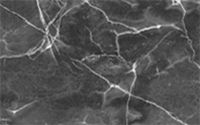
The darker knots and cracks are part of the design. Decide whether you want that character alongside your existing kitchen finishes.
Compare the background colour as well as the veins or speckles. A sample with an appealing vein may have a background that looks too warm or cool beside your cabinet doors.
Check how much light reflects from the surface. Two similar stone colours can give a different overall impression when one has a smoother finish and the other a more varied texture.
Choose a surface you enjoy seeing and touching. Use the product's care guidance to assess cleaning requirements, as appearance alone does not tell you how to maintain it.
A small sample shows only one part of a design. Before choosing a strongly patterned worktop, look at a full-board image and photographs of it used across a larger surface.
A marble sample may miss a large vein, while an oak sample may show little of the darker grain. Look for both the quieter areas and the strongest features.
Use the physical sample to judge colour and feel, and the larger images to judge the pattern's scale. Keep the dimensions of your kitchen in mind: a long island will reveal much more of the design than a short worktop beside a cooker.
Ask whether a larger sample or display is available if the pattern is difficult to judge. Check what is on display before visiting a showroom.
On an L-shaped kitchen, the grain or veins may change direction at the corner. A matching product code does not guarantee that the pattern will continue neatly across a joint.
Show your fitter the chosen design and discuss the direction of each piece before the cutting plan is agreed. If you want a particular vein or feature in a particular place, confirm whether that can be achieved before ordering.
Check what your sample actually shows. A surface swatch may help you choose a finish without showing the worktop's full thickness or front edge.
EGGER offers square edge and postformed worktops. A square edge has a straight front finished with matching edging. A postformed edge has laminate wrapped around a gentle curve.
Ask to see the profile you intend to order, particularly if the sample is a thin piece of surface material. The front edge affects how the worktop looks above your cabinet doors.
Also confirm how exposed ends will be finished. A sample with an unfinished cut edge does not show what a properly finished end will look like.
If you are keeping existing tiles or splashbacks, check the new thickness with your installer before making the final choice.
Once you have two favourites, remove the other samples and compare each against the complete kitchen combination.
Make a short note for each option:
Record specific observations, such as “looks yellow beside the doors” or “grain works well with the flooring”. These are more useful than trying to remember which sample you preferred several days ago.
Keep the chosen sample and its label until the worktop arrives. Check the delivery reference and inspect the surface before cutting or fitting. Raise any concerns about the finish or product supplied before work starts.
Use the full product reference from your chosen sample, together with the worktop thickness and edge profile. Add the required length and depth of each piece to your cutting list.
Mark the front edges, visible ends, pattern direction and planned joints on a drawing. Include sink and hob details where they affect the preparation.
Cworkshop can cut the selected worktops to your specified dimensions. Confirm which cuts and edge treatments can be prepared in advance, and which adjustments or openings your installer will complete on site.
We supply EGGER worktops and offer individual sample ordering through our product pages. You can compare finishes at home before committing to your worktop order.
Our showrooms also give you a place to discuss materials and narrow down your shortlist. Contact the team first if there is a particular worktop or profile you want to see.
Once you have chosen the finish, our cutting service can prepare the worktops to your dimensions. We can confirm the preparation needed from your product details and drawing.
The most useful EGGER worktop comparison combines a physical sample in your own kitchen with a view of the larger pattern. Check the surrounding finishes, everyday lighting and final edge before settling on your choice.
When you have a shortlist, contact Cworkshop about EGGER worktop samples to confirm the product details and plan your order.